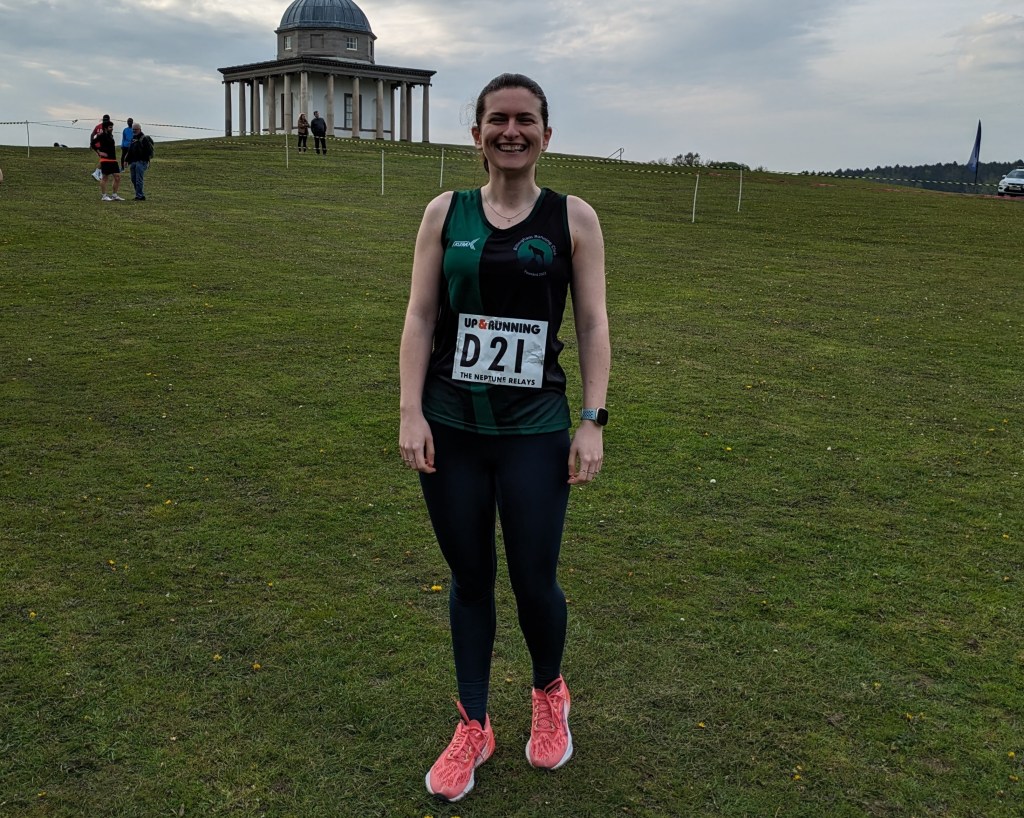
I’m a keen runner. I am part of my local running club, I run a few competitive races each year, and I love to go to my local Parkrun every weekend, which is what I did last Saturday morning. Around 3km into the run, I was doubled over in excruciating pain. The immense pain in my abdomen made me feel like I was going to cry and pass out, so for the first time ever I was not able to finish Parkrun. I walked out of the park feeling quite embarrassed, but knowing I needed to listen to my body. I knew what had happened, that it couldn’t be helped, and that I was going to be okay. But gosh it was frustrating.
Just over a year ago, in the summer of 2023, I was diagnosed with Polycystic Ovary Syndrome (PCOS). PCOS affects more people than you might realise. Around 10% of people with ovaries are estimated to have it, with many people being undiagnosed due to a lack of understanding of the condition, and because hormonal birth control can mask many of the common symptoms.
What is PCOS?
The condition is not life threatening, but it can come with a range of symptoms that affect the daily lives of those who have it. These can include:
- Irregular periods which can be difficult to track, or the absence of periods for 6 months or more
- Excessive hair growth on the body
- Hair loss or thinning
- Changes in weight
- Fatigue
The cysts themselves can also rupture, and this is what I think happened to me during Parkrun. Cyst ruptures are unpredictable, sudden, and can be incredibly painful. This is one of the many ways PCOS affects my life, and the lives of others living with it.
The exact cause of PCOS is not yet known, but it often runs in families. The lack of understanding and awareness of PCOS leads to women being misdiagnosed or undiagnosed. There is also a lot of stigma still associated with the condition because it raises the levels of male hormones in the body such as testosterone, making those with the condition feel like they are ‘less of a woman’ as a result.
I’m writing this blog to try and remove some of the stigma, get people talking about menstrual health, and help others who may be going through the same thing.
My Journey
My journey to diagnosis was only able to begin after I came off of hormonal birth control in late 2022. I did this for the benefit of my mental health, and assumed that after a few months my menstrual cycle would settle down into a normal routine. 7 months later, I was yet to have a period.
Whilst my mental health did improve after stopping contraception, I noticed I was a lot more fatigued and my hair started to thin. So I booked an appointment with my GP. I was very lucky to have a wonderful, female GP who took my concerns seriously and ordered blood tests to check for everything from a hyperactive thyroid to diabetes, and checking my hormone levels. When those tests showed I had elevated testosterone levels, I was booked in for a ultrasound at my local hospital to check for the presence of cysts on my ovaries. Within a month of my original appointment with the GP, I had a confirmed PCOS diagnosis.
The initial diagnosis gave me a crisis of confidence. There is no way to treat PCOS, you can only manage the symptoms. The diagnosis made me question my identity as a woman, and worry about the future of my health as PCOS makes you more likely to develop uterine cancer and diabetes. But through discussions with my family, friends and doctor, I processed these feelings and am now in a place where I am comfortable with it.
Having a diagnosis did also give me three valuable, positive things:
- Language I could use to describe my symptoms, connect with others.
- Comfort in knowing nothing more serious was going on.
- Relief to know it hadn’t all just been in my head – that my less visible symptoms were real and had a cause.
Getting Support
PCOS affects everyone differently. Some people with the condition may not ever realise they have it, and for others it impacts huge aspects of their daily life.
I think I’m somewhere in the middle – for most of the month I experience little to no symptoms, other than my hair thinning, but when my period arrives (and its hard to know exactly when that will be!), I often experience cyst ruptures, pain and fatigue. I do try to take advantage of the excess testosterone in my body by lifting weights in the gym – there’s always a silver lining!
For anyone with PCOS or a similar condition, or if you suspect you may have a condition like this, just know you are not alone, and you are no less feminine for having this condition.
For those with and without a menstrual health condition, I hugely encourage you to read up on it and talk about it! Menstrual health is nothing to be embarrassed about or ashamed of, and only through talking can we help people get the support and treatment they might need.
You can find out more about PCOS on the NHS website: https://www.nhs.uk/conditions/polycystic-ovary-syndrome-pcos/

 She Codes the Cosmos
Leave a comment