
The British Computing Society’s Special Interest Group in Software Testing (SIGiST) is the largest not-for-profit testing community in the UK. Every year, SIGiST hosts an annual conference that brings together industry leaders and experts on all topics related to testing and quality.
I spoke virtually at the 2022 conference, and this year not only did I have the pleasure of delivering an in-person talk, but I also got to help host and organise the event as a member of the SIGiST committee.
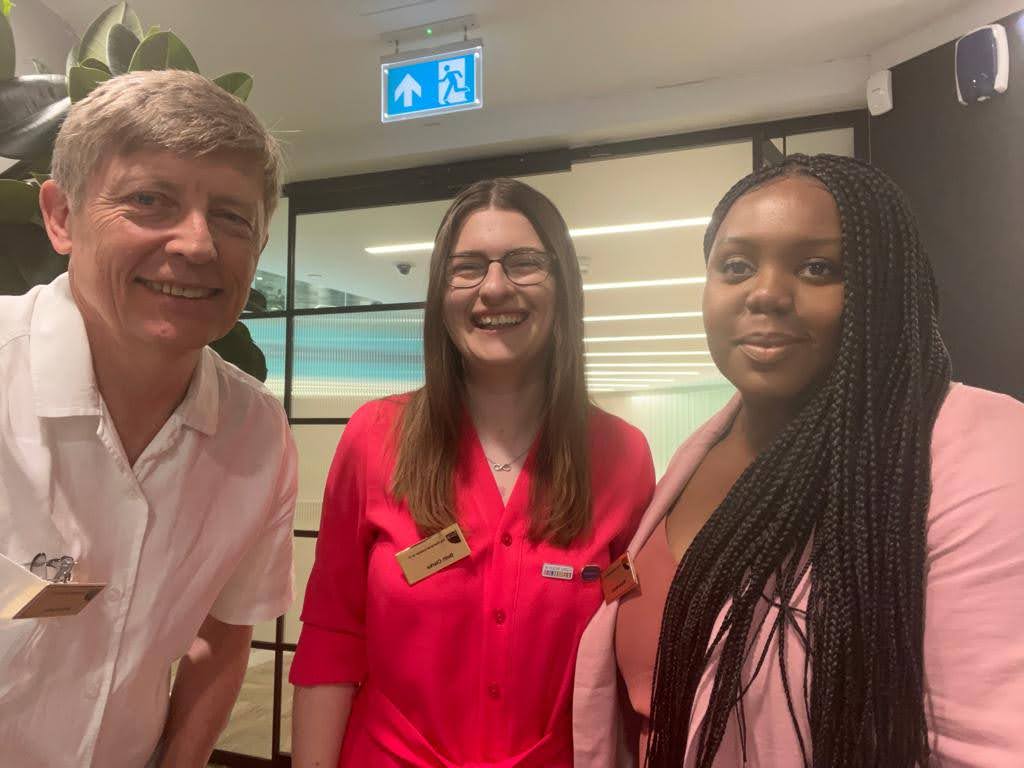
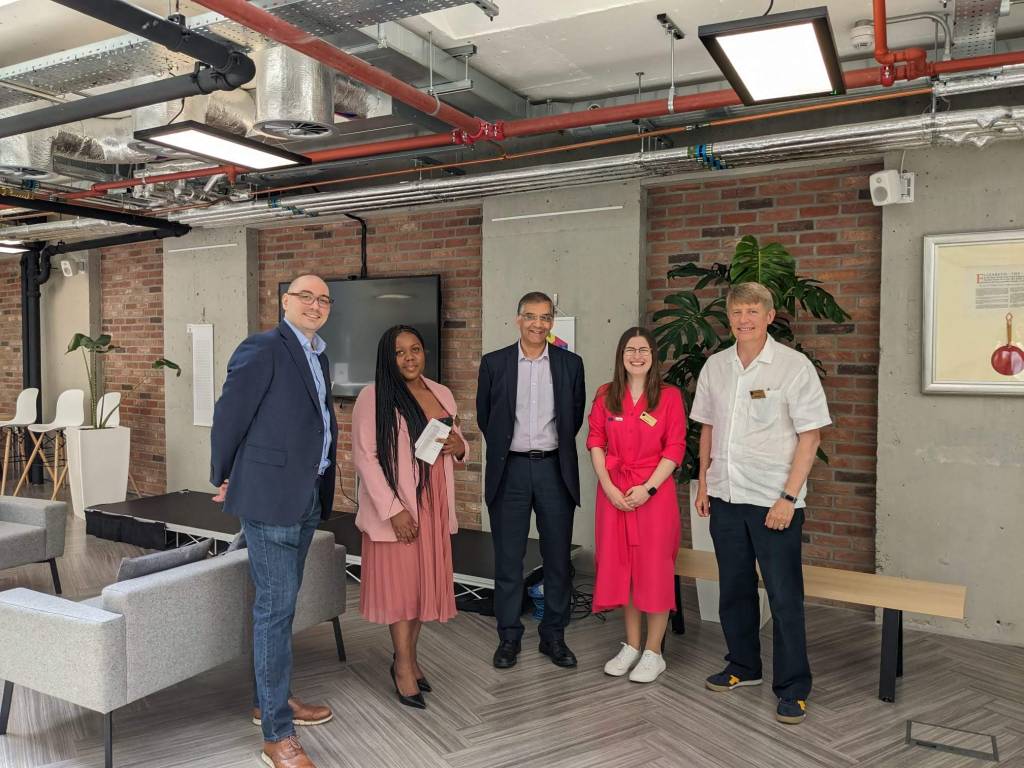

This year’s event covered a wide variety of topics, from testing careers to AI and DevOps. The line up featured 20 fantastic speakers based all over the world, and the event was attended by over 150 people in-person and online making it our biggest conference ever.
The day itself was a triumph. There was a buzz of energy throughout every inch of BCS’s London Office, where the conference was held. The atmosphere was incredibly lively throughout the day with chatter and engagement from all of the attendees.
I wanted to share some of my highlights from the day, to give you an insight into topics covered and what I personally took away from the event.
Quality as a Culture
A number of talks at the conference either focussed or touched on the fact that quality has a large people-based and cultural component to it that needs to be considered when planning QA or testing activities.
Having the right culture in place helps your QA and testing teams understand the ‘why’ behind their work, which can be a key motivator for testers who tend to have a systems-based way of thinking. We like to see the bigger picture.
It also helps to remove barriers. There are still a number of stereotypes that exist around what it means to be a tester, like we are the final (and only) line of defence against bugs. Simon Prior (@LeadTestInclude) summarised this brilliantly in his talk when he said ‘Testers are not solely responsible for quality!‘. Many software teams still require a mindset shift that takes the weight of the responsibility for quality off of testers’ shoulders and spreads it equally amongst the whole team.

When the wrong culture is in place around quality, testers can feel incredibly isolated. During his talk, David Maynard (@cambridgetest) highlighted how testers can often struggle with imposter syndrome because our work tends to be more heavily questioned than that of other software roles. ‘Why don’t you know exactly what caused the bug?’, ‘Why can’t you fix that bug in 1 week instead of 2?’, ‘Do we even need testers?!’. This can lead many testers to question their abilities and career, meaning we lose valuable expertise from the tech sector. When isolating cultures are replaced with curiosity and encouragement, testers and their wider teams can flourish.
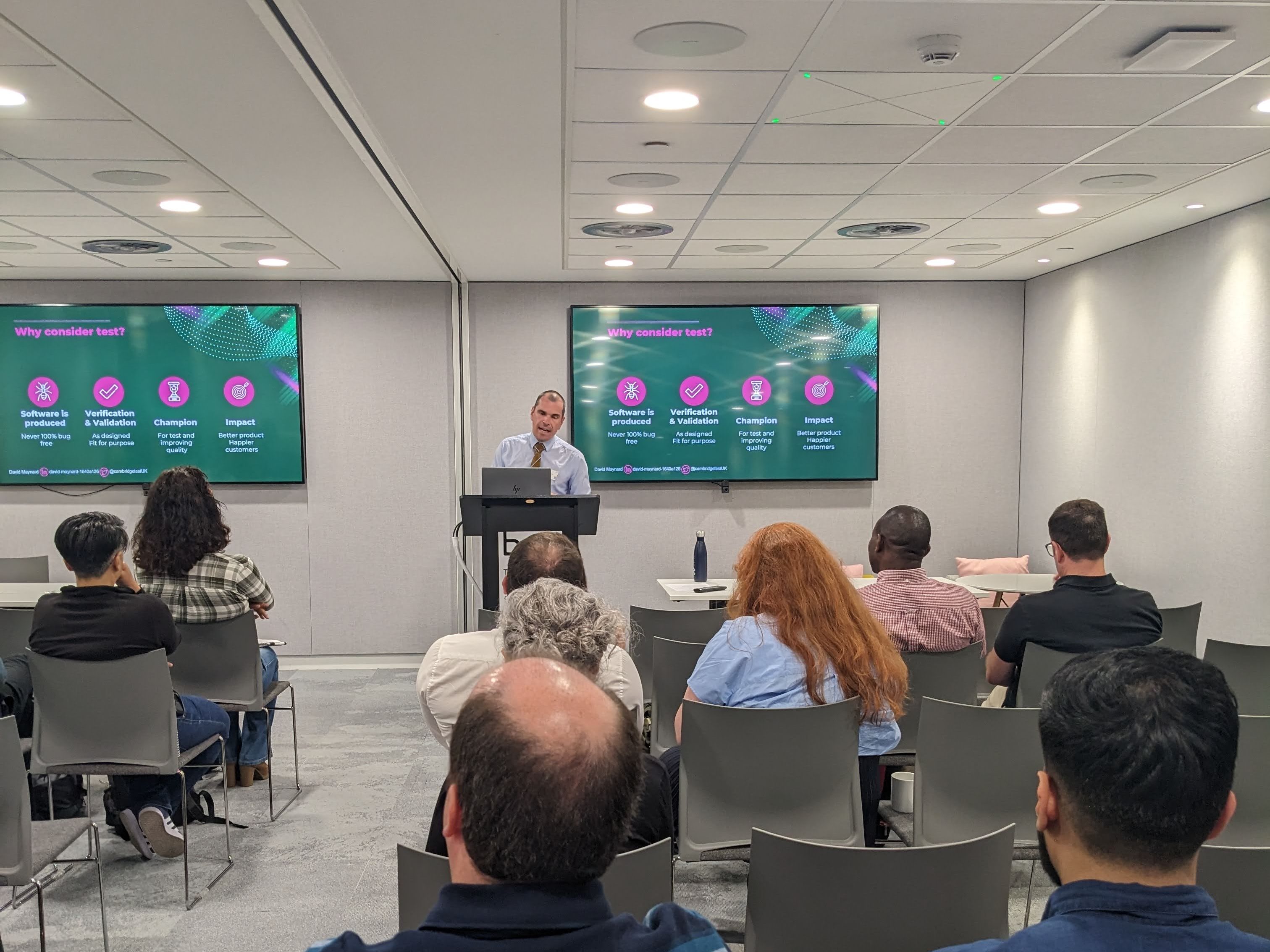
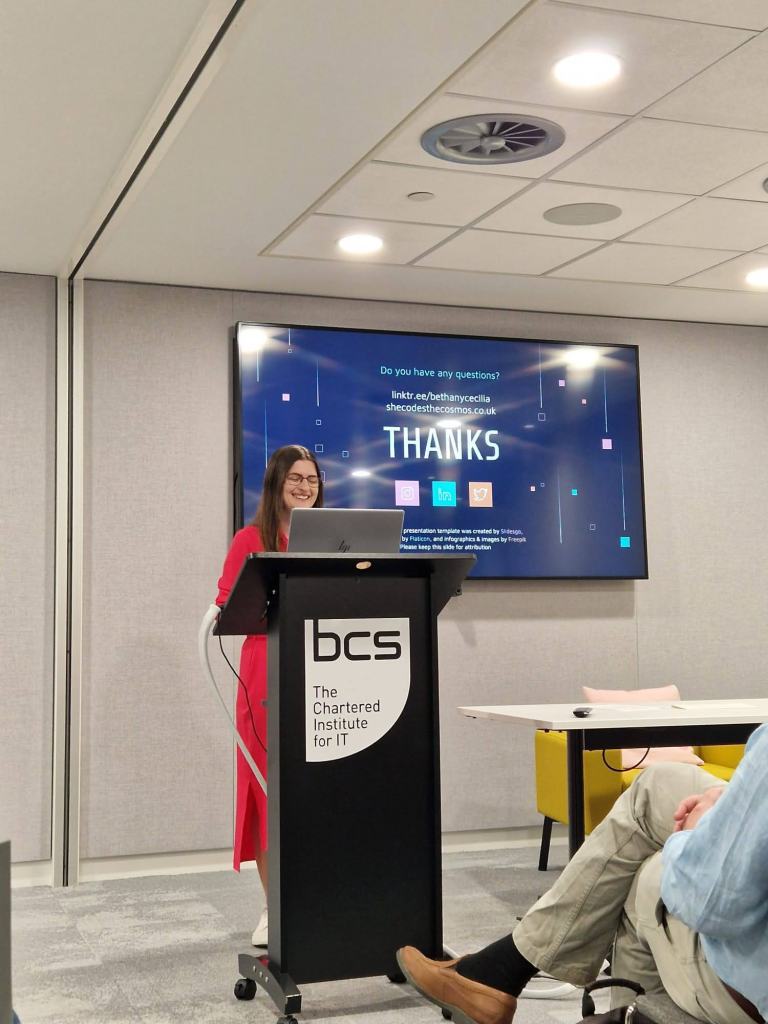
And this topic of culture extended into other tech domains. Abby Bangser (@a_bangser) and I both presented on DevOps and Platform Engineering, and what testers should be learning from these worlds. DevOps places a huge emphasis on collaboration and continuous improvement for ensuring success and quality in product delivery. It’s vital to get the cultural foundations right in an organisation before unleashing new tooling on your team. You could end up in a situation where your team has all the gear and no idea!

The Future of Tooling
Speaking of tooling, there were some fantastic talks that covered current and future tooling to support testing and QA activities.
Climate Change is a hot topic (pardon the pun) in technology circles, and testing is no exception. Arun Kumar Dutta (@jgec_adutta) delivered a fascinating talk on changes you can make to reduce the carbon footprint of performance testing, an activity that is notorious for using large amounts of energy and computing resources. It was insightful to learn about how we can be more consciously using our tools in a way that benefits the planet.

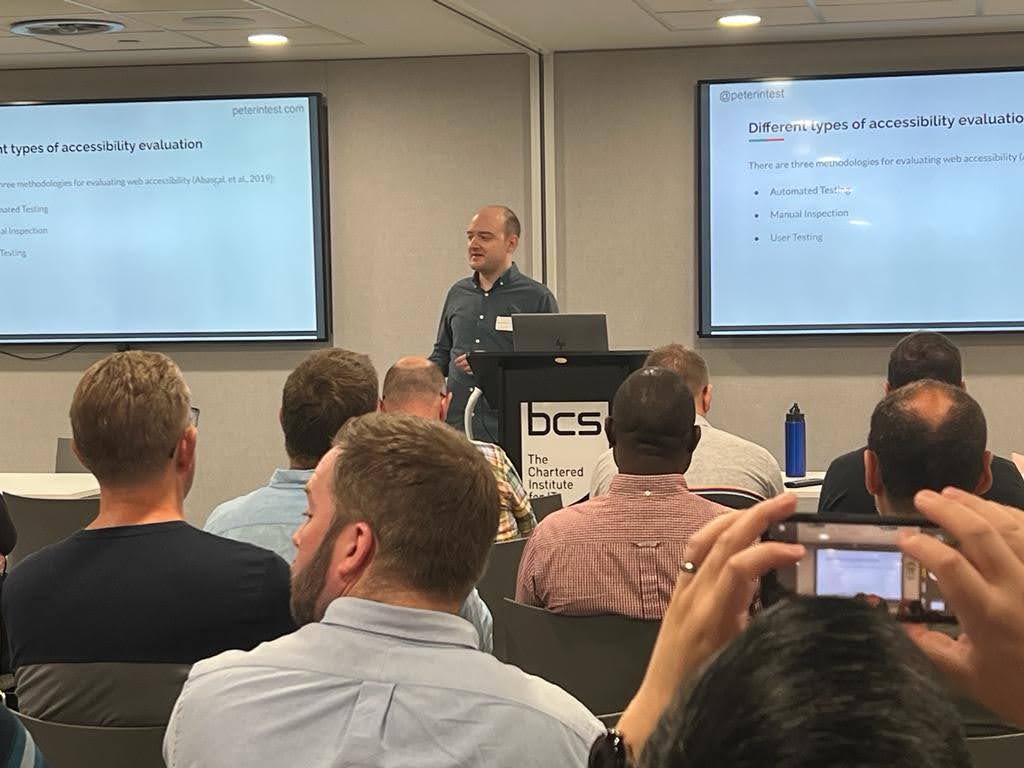
Other talks focussed on testing activities that benefit people. Peter Johnson (@peterintest) delivered a fantastic talk about accessibility testing that showcased the importance of tools that allow testers to verify that websites and applications are designed with everyone in mind. This is an area of testing I didn’t know much about before the conference, but one I will be looking into more in the future. There are so many tools already out there to help us evaluate accessibility, as Peter showed us, so it’s time to start using them!
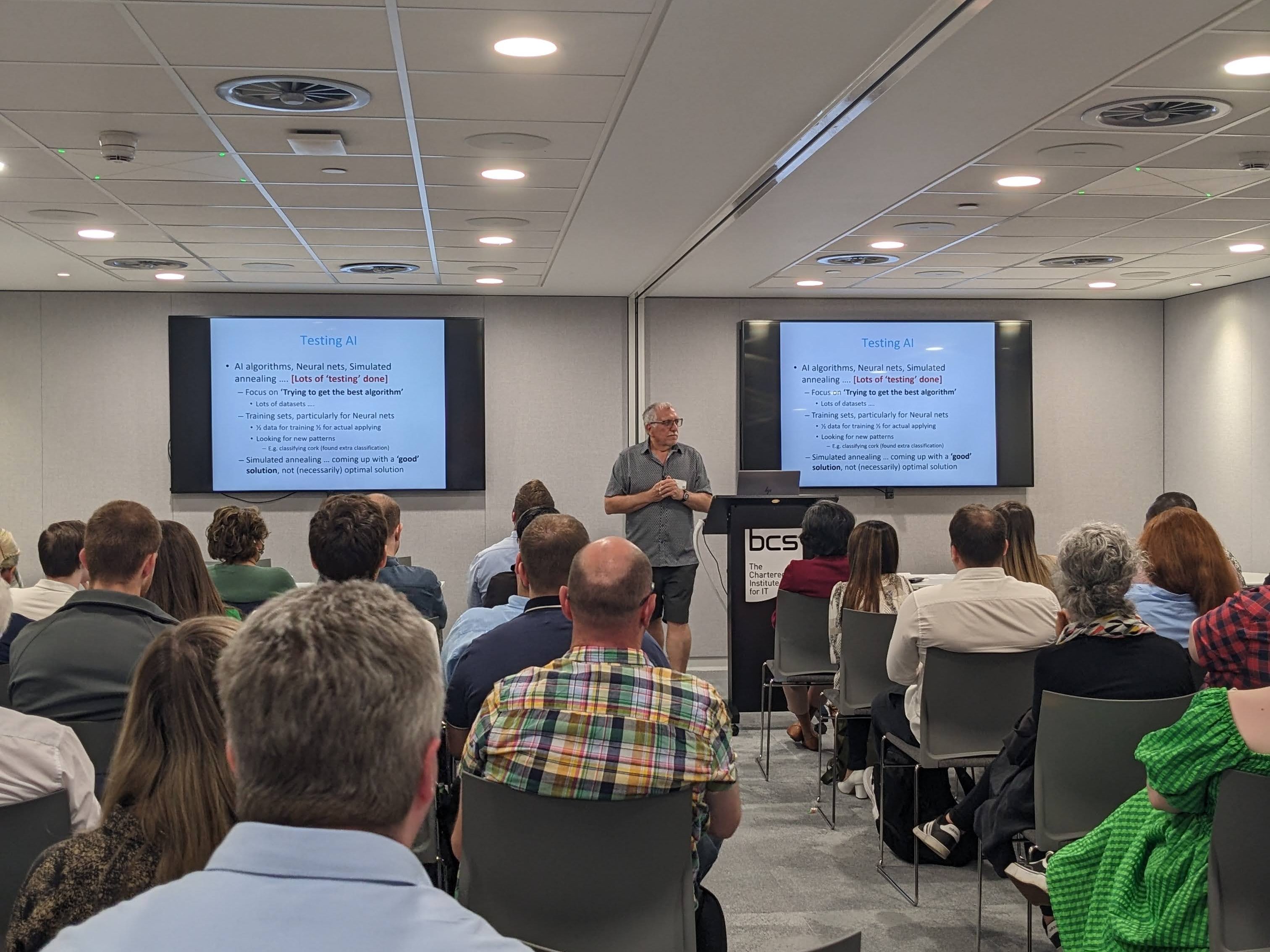
And finally, AI. I’m sure it will come as no surprise that AI is a very popular topic in the testing world. Speakers like Dr Carl Adams’ focussed on the complex task of testing AI: how do we create ‘good’ training data sets for testing AI? How do we check that AI isn’t only find ‘good’ solutions to problems but is also finding optimal ones?
Other speakers focussed on how we can use AI to support other testing activities. Some speakers used ChatGPT to help put their talks together and spoke about how they used AI to help them design tests, and even automate test case design in the case of Shajahan Pulikkal’s presentation. I’m sure AI is a topic that will continue to be popular in the years to come as testers and developers alike learn how to get the most out of it without sacrificing on software quality.

The Importance of Community
My final takeaway from the day is that events like the SIGiST conference are vital for people in tech. I left the conference with a new sense of inspiration and drive, along with some new connections that I can stay in touch with to chat to and learn from.
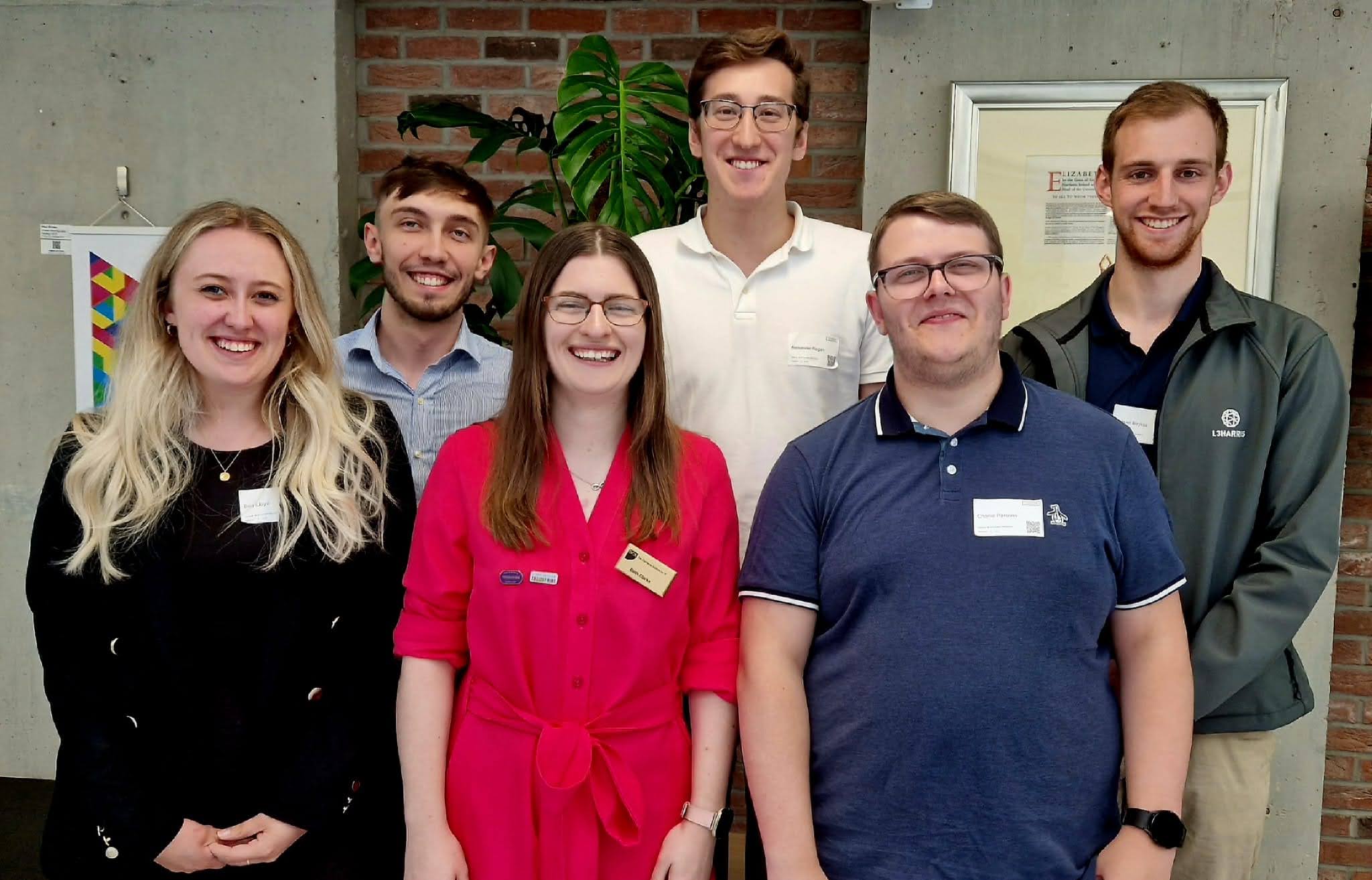
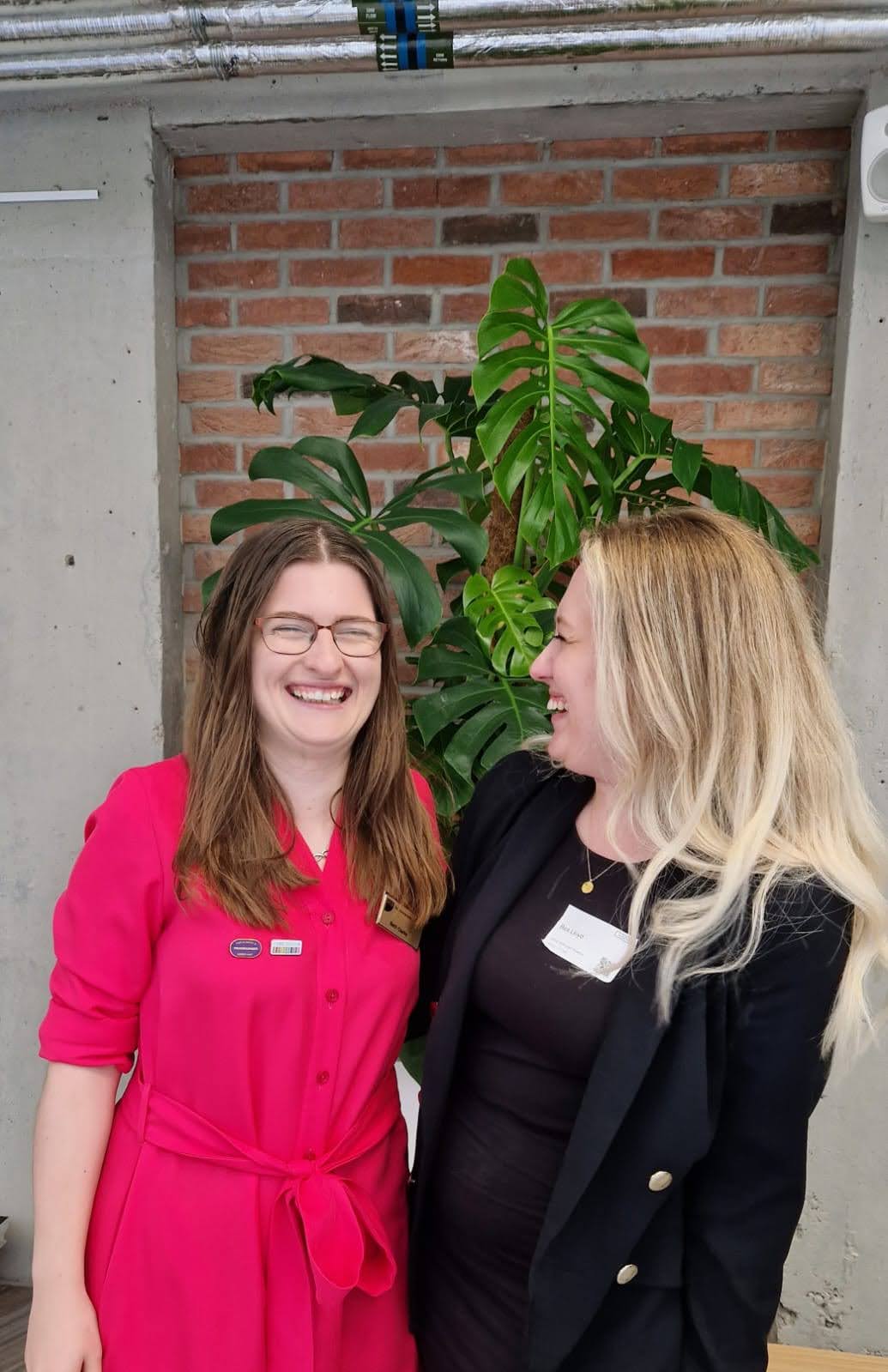
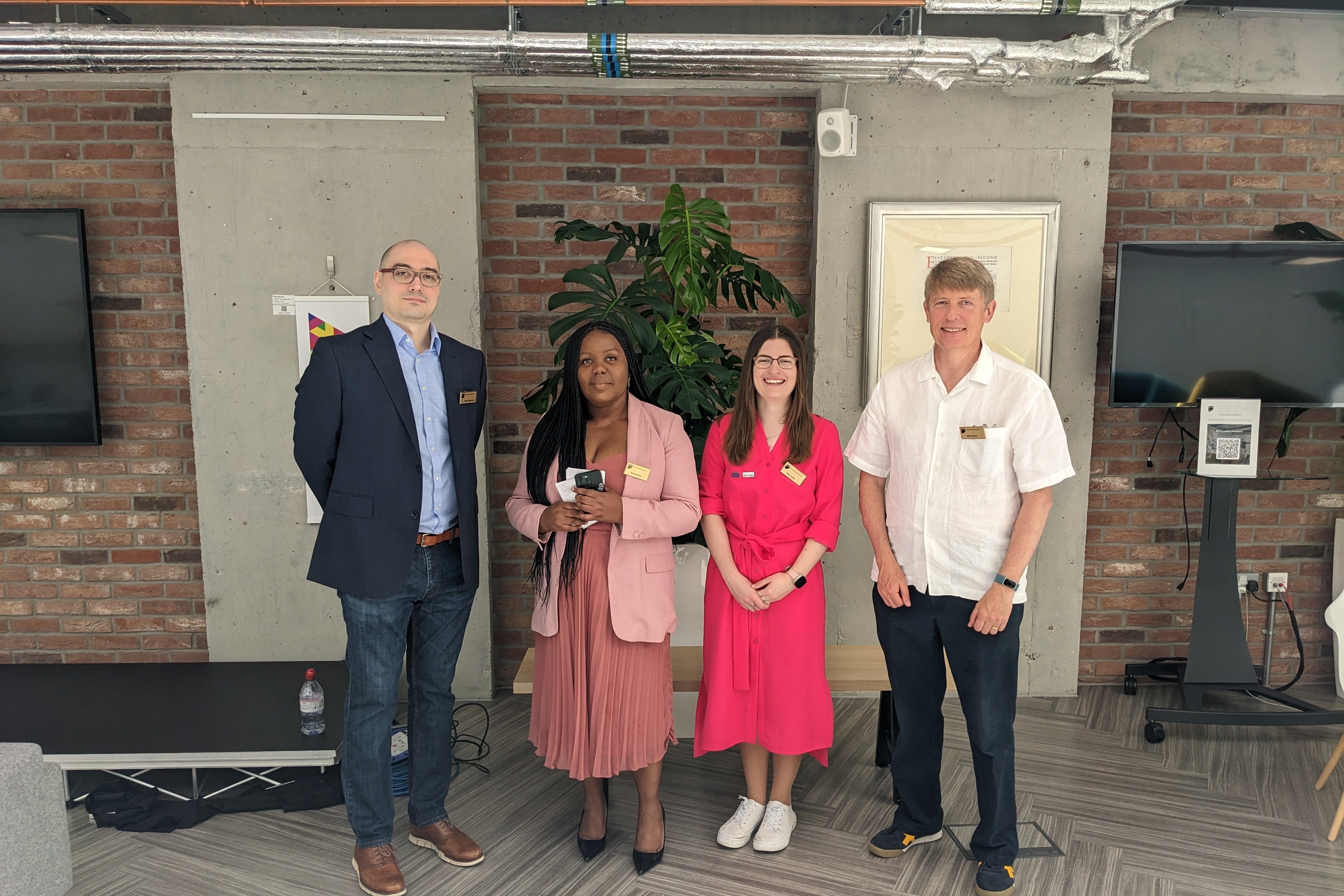
Bringing people together at events like this leads to innovation in the tech sector. It provides us with not only with a chance to learn and develop our skills, but also to let our guards down and discuss the frustrations and challenges of our roles with other people who understand. The authenticity that was present on Wednesday strengthened all of the messages that were put across and the discussions that were had during the breaks and networking sessions.
We all need a place to call home, and a community we can pull on for inspiration and support. And that is what I love about SIGiST – we are that community for a lot of people. The impact communities like ours can have is not to be underestimated.
If you don’t already follow SIGiST on social media, please check out our Twitter, LinkedIn and Instagram accounts. If you’d like to be more involved with our events, drop us an email at bcssigist@gmail.com.
 She Codes the Cosmos
Leave a comment